Where you put a tattoo is just as important as what the tattoo is. Placement affects how the design reads, how it ages, and how it interacts with your body’s natural movement and anatomy.
Body Contours and Flow
Your body isn’t flat. Designs need to account for:
- Muscle groups - How the piece looks when flexed vs. relaxed
- Bone structure - Ribs, collarbones, and joints create natural dividing lines
- Natural curves - Shoulders, calves, and forearms curve in three dimensions
- Movement - How the tattoo shifts when you walk, turn, or gesture
A good artist designs with these factors in mind. A flat stencil doesn’t show how a piece will wrap around your arm or flow across your back.
Common Placements and Their Considerations
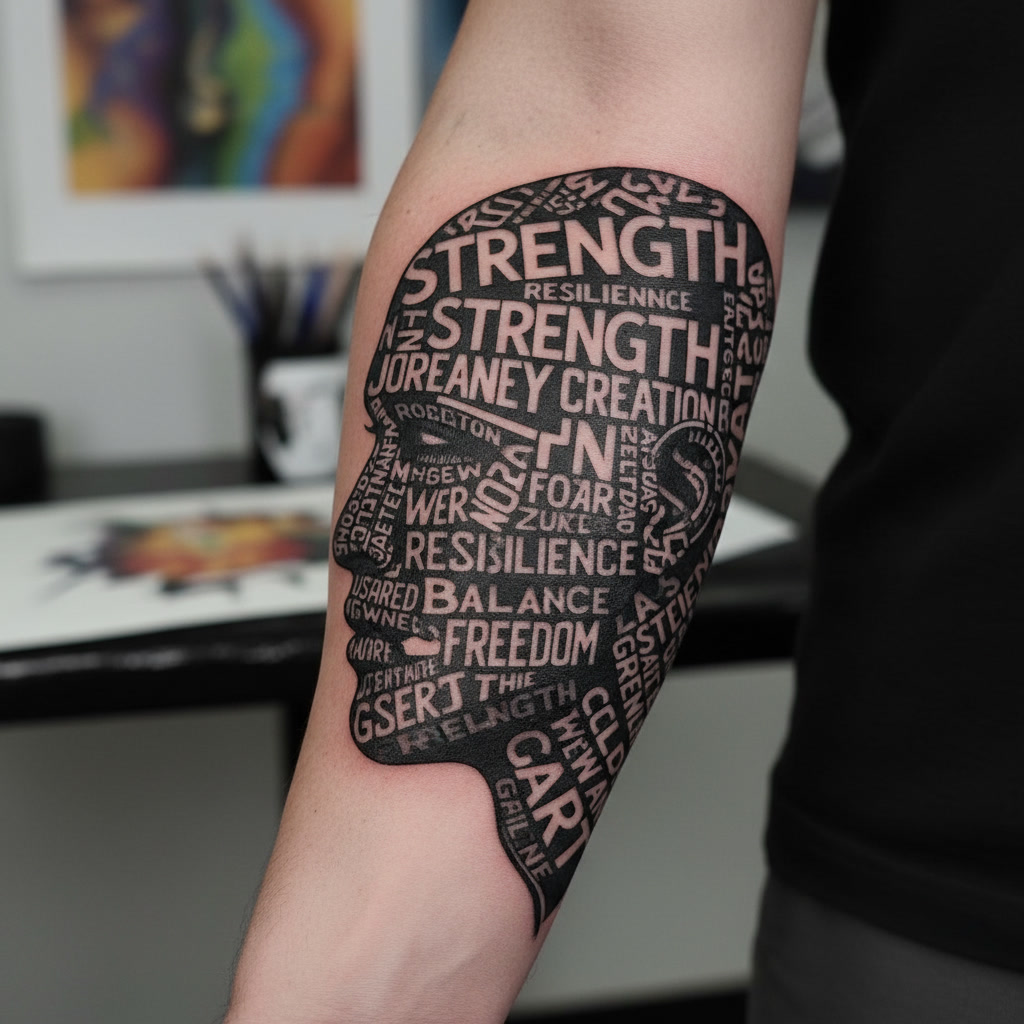
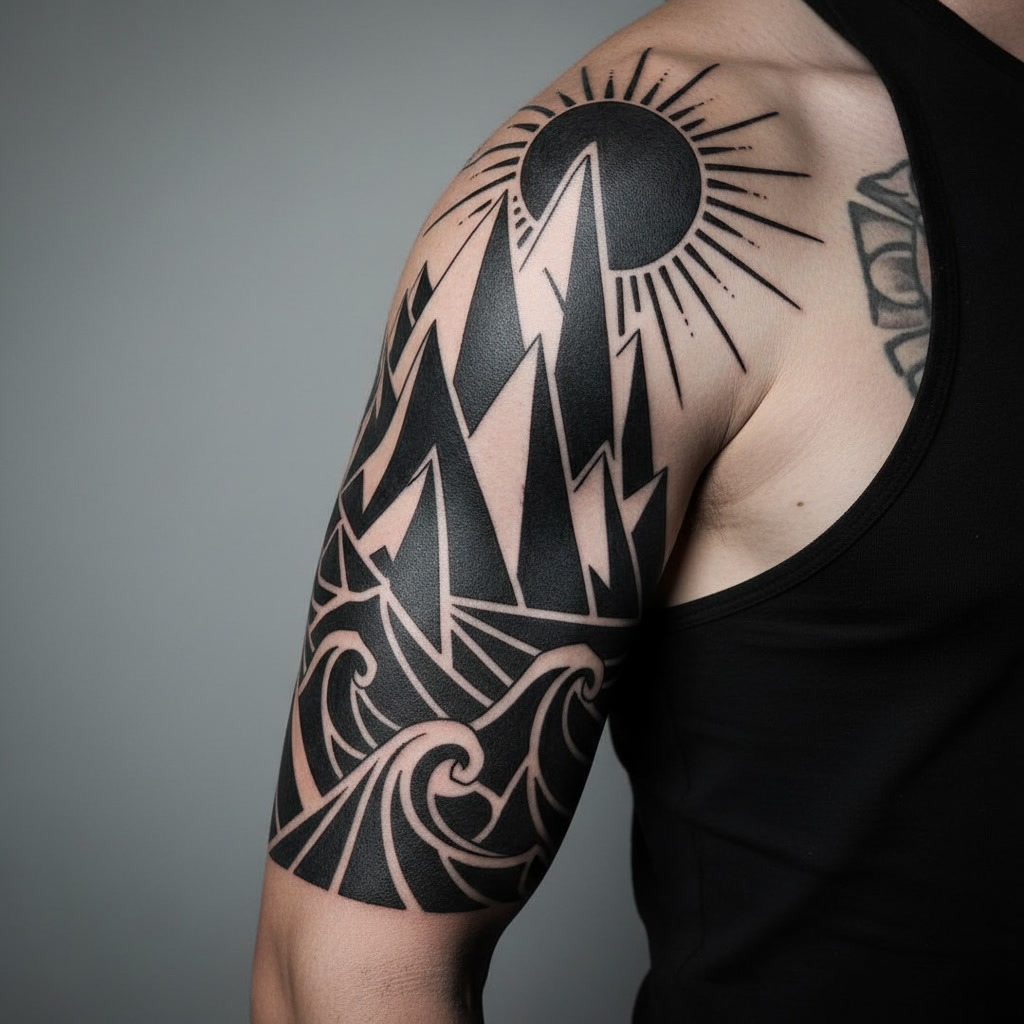
Arms (Upper Arm, Forearm, Sleeve)
Best for: Most styles work here. High visibility, moderate pain.
Considerations:
- Upper arm: Larger canvas, wraps well for circular or banded designs
- Forearm: High visibility, great for illustrative work that reads clearly
- Full sleeve: Requires planning for how pieces connect and flow from shoulder to wrist
Design tip: Forearm pieces should be oriented so they read right-side-up when your arm hangs naturally at your side.
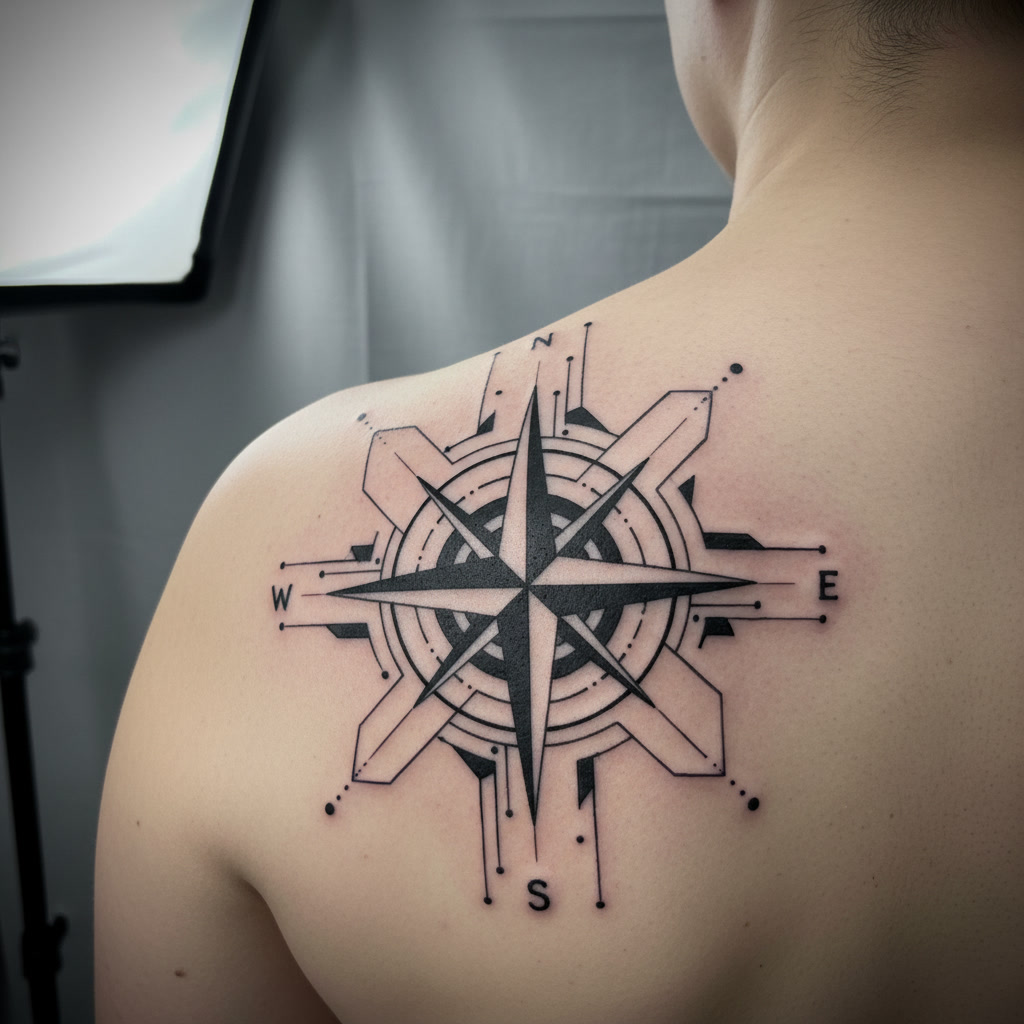
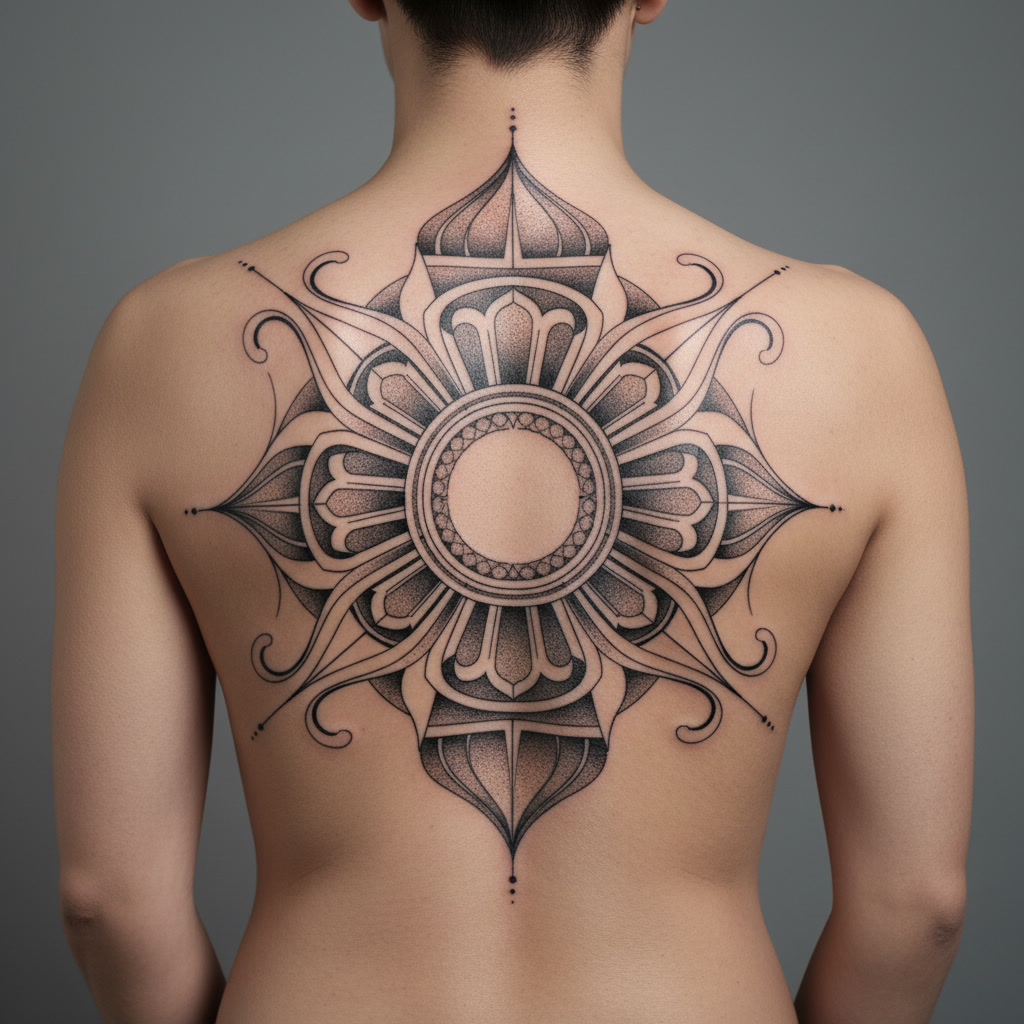
Back
Best for: Large-scale work, intricate detail, pieces that need space to breathe.
Considerations:
- Huge canvas with minimal distortion
- Lower visibility (you won’t see it without a mirror)
- Upper back tends to be less painful than lower back
- Spine work requires precision and higher pain tolerance
Design tip: Back pieces can be symmetrical or asymmetrical. Both work, but the choice should be intentional.
Chest
Best for: Bold, centered pieces or designs that flow across the body.
Considerations:
- High visibility (you control when it’s seen)
- Collarbone and sternum are more painful
- Pectoral area works well for larger pieces
- Consider how it looks with clothing
Design tip: Centered chest pieces can be balanced with sternum placement, or asymmetrical for a more dynamic look.
Legs (Thigh, Calf)
Best for: Large illustrative work, traditional Japanese suits, geometric pieces.
Considerations:
- Thigh: Large, relatively flat canvas with low visibility
- Calf: High pain tolerance area, visible in shorts
- Knee and shin: More painful, design needs to account for bone and movement
Design tip: Thigh pieces work well for designs that don’t need to be constantly visible but deserve serious real estate.
Ribs and Side
Best for: Vertical designs, script, illustrative pieces that flow with the body.
Considerations:
- High pain area (one of the most painful placements)
- Design must account for breathing movement
- Can extend from underarm to hip for large pieces
Design tip: Rib pieces should be designed to look good when standing naturally, not when your arm is raised.
Size and Detail
Placement determines how much detail you can include:
Small placements (inner wrist, behind ear, finger):
- Keep designs simple and bold
- Fine line work won’t age as well in these areas
- Consider long-term readability
Medium placements (forearm, upper arm, calf):
- Balance of detail and boldness
- Most styles work at this scale
- Good for portraits, illustrative work, geometric designs
Large placements (back, full sleeve, thigh):
- Room for intricate detail and shading
- Can include multiple elements and complex compositions
- Best for pieces that tell a story or create an immersive scene
How We Approach Placement
At Ink Heist, placement discussion happens during consultation:
- We ask about visibility preferences - Do you want it seen? Sometimes? Never at work?
- We discuss pain tolerance - First tattoo? Be honest about what you can handle.
- We sketch on the body - Not just the stencil. We draw to see how elements flow with your anatomy.
- We adjust the design - What works on paper might need tweaking once we see it on your body.
The Wrong Way to Choose Placement
Don’t pick placement because:
- “It’s trendy right now”
- “My friend got one there”
- “I saw it on Instagram”
Pick placement because it makes sense for the design, your body, and your life.
Start with Consultation
If you’re not sure about placement, say so. Bring reference images and ideas. We’ll work through placement options with you. The right spot reveals itself once we understand what you’re trying to say and how you want to wear it.
Book a consultation through our contact page.