Clients sometimes come in asking for “blackwork” when they mean traditional, or vice versa. Both use bold lines and solid fills, but the similarities end there.
Traditional Tattooing
American traditional (or “old school”) has been around since the early 1900s. You know it when you see it:
- Bold black outlines with clean, consistent line weight
- Limited color palette - red, green, yellow, brown, black
- Iconic imagery - anchors, roses, eagles, skulls, pin-ups
- Flat shading with minimal gradation
- Designed to age well - thick lines hold up over decades
Traditional is a discipline. The constraints are the point. Every element follows rules that were established for a reason: readability, longevity, and impact at a distance.
Blackwork
Blackwork is broader and harder to define. At its core, it’s any tattoo that uses only black ink, but the style encompasses a huge range:
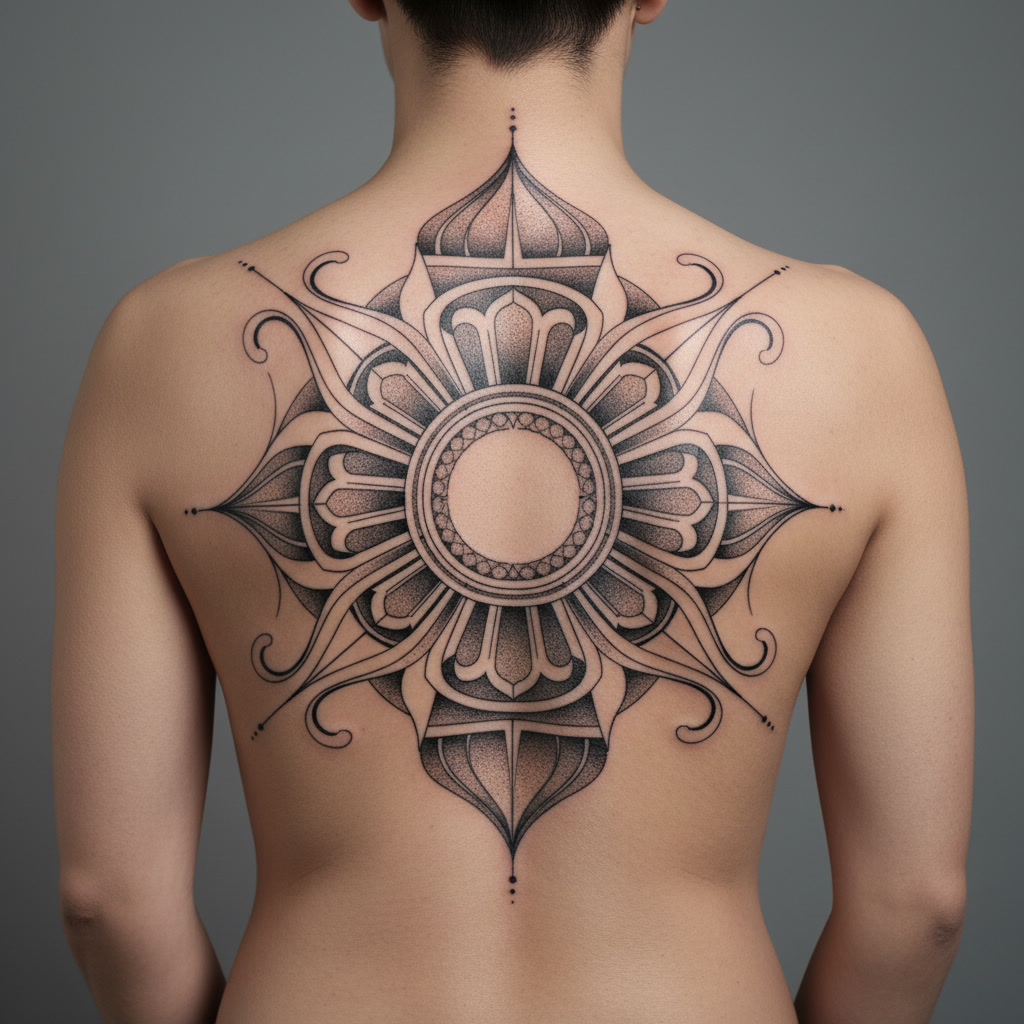
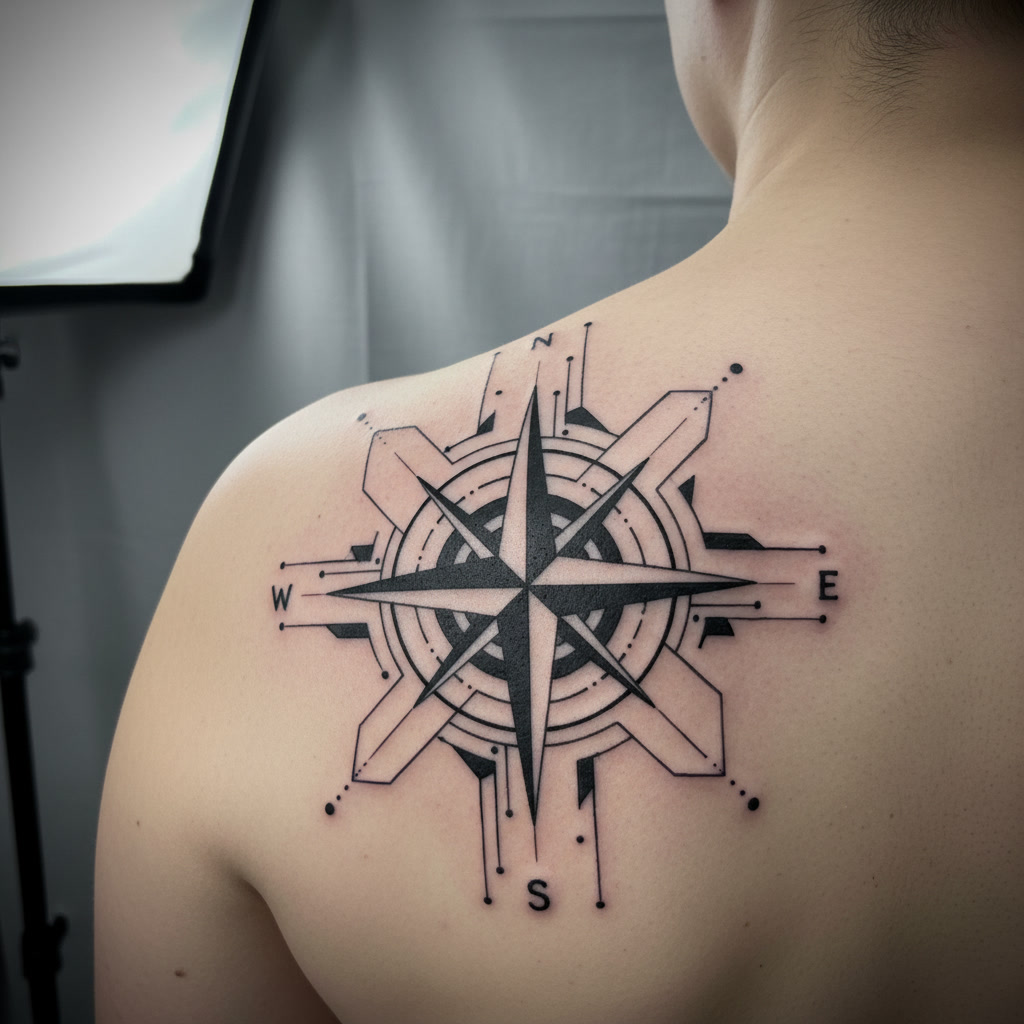
- Geometric blackwork - sacred geometry, patterns, mandalas
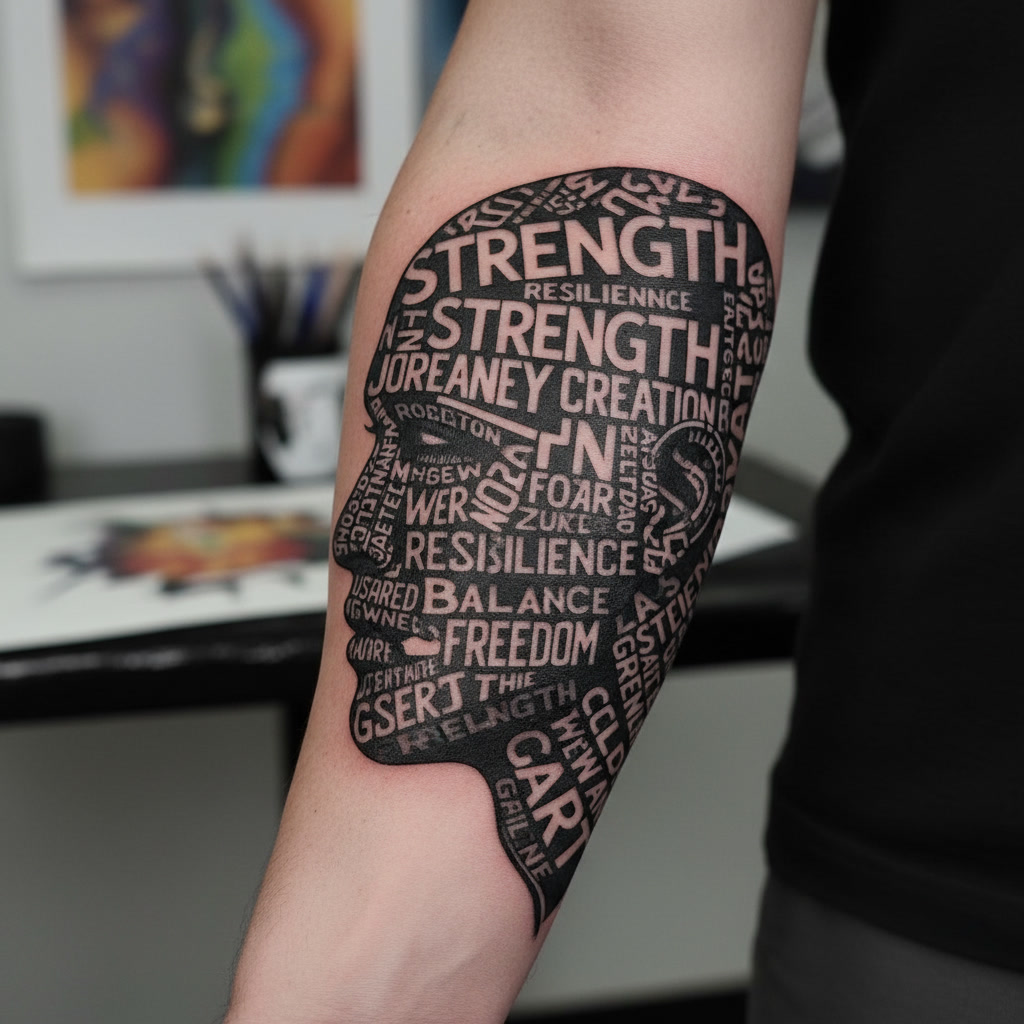
- Illustrative blackwork - detailed imagery rendered entirely in black
- Tribal-inspired - bold shapes and patterns with cultural roots
- Dotwork - images built from thousands of individual dots
- Ornamental - decorative patterns often inspired by architecture or textiles
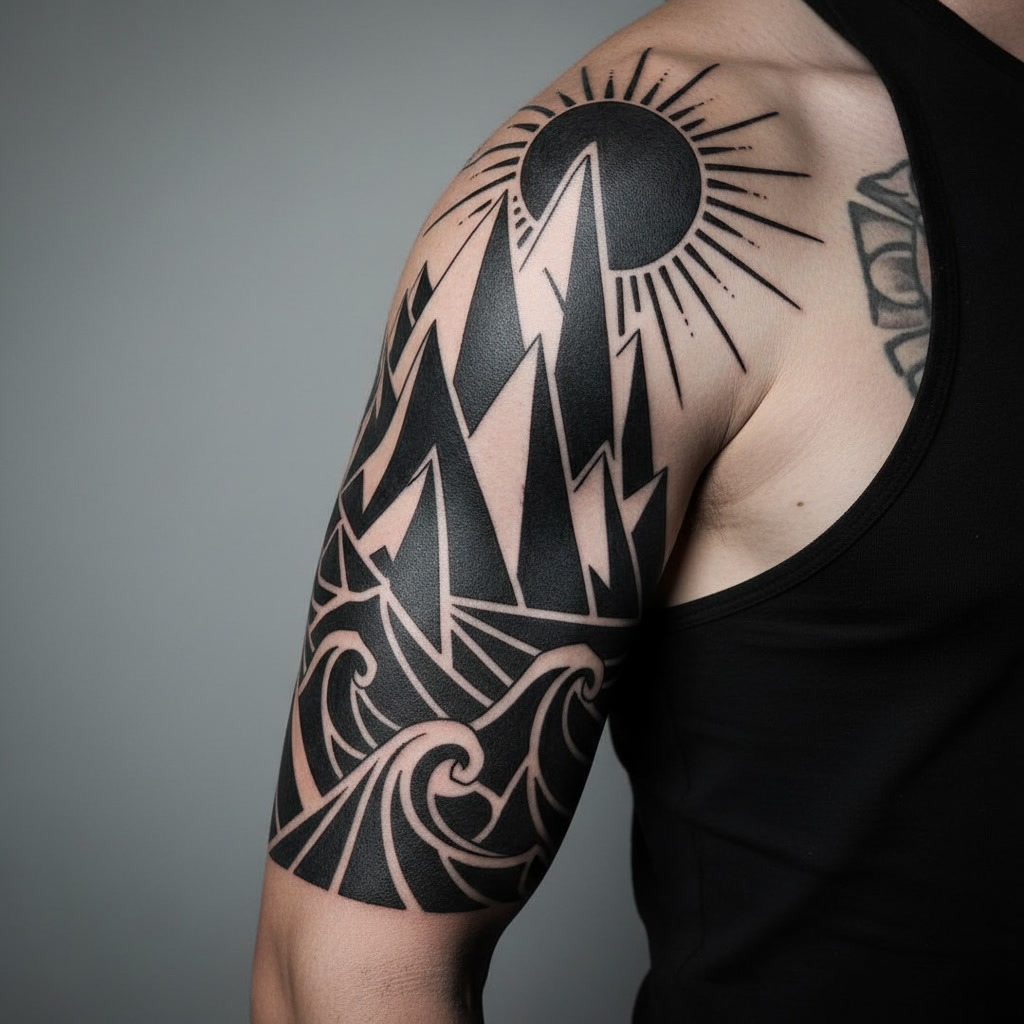
- Heavy blackout - large areas of solid black, sometimes with negative space designs
Where traditional has strict rules, blackwork is more of a canvas. The unifying element is the commitment to black ink only.
How to Choose
Ask yourself:
Do you want a classic, timeless image? Traditional might be your lane. It’s been proven over a century.
Do you want something contemporary and graphic? Blackwork gives your artist more room to create something that feels modern.
Does color matter to you? If yes, traditional. If you prefer the contrast of black on skin, blackwork.
What’s the placement? Both work anywhere, but large-scale blackwork pieces (sleeves, back work) create a visual impact that’s hard to match.
At Ink Heist
Most of our artists work primarily in blackwork and its subgenres, but we respect traditional deeply. Ghost and Cipher both pull from traditional’s graphic boldness. Shade’s dotwork and geometric pieces are pure blackwork. Switch’s realism work uses black and grey in ways that transcend both categories.
The best approach? Come in for a consultation. Tell us what resonates with you, and we’ll point you toward the right artist and style.